


How CRM Transforms Online Stores And Property Management Operations
- Dec 25, 2025
- 2 min read
A single ignored customer email once turned into a public complaint overnight. That small mistake highlights why structured systems matter now more than ever. Businesses juggling digital buyers or physical tenants face constant pressure. This article discusses how CRM solutions improve clarity, response time, and trust. The core argument stays simple: the right CRM quietly organises chaos. It really does.
Digital Commerce Needs Central Control
Online selling looks smooth on screens, but behind it sits confusion. Orders, returns, chats, and emails arrive nonstop. CRM for online stores connects customer history, buying patterns, and support requests into one flow. This structure improves personalisation and repeat sales. Teams respond faster, mistakes drop. Calm replaces panic. Growth becomes predictable instead of accidental for many digital businesses today.
Relationships Matter Beyond Transactions
Selling online is not only about carts and clicks. Customers expect recognition and care. A CRM stores preferences, complaints, and feedback over time. The CRM for online stores showing how relationship tracking boosts loyalty. When buyers feel remembered, they return. Trust builds slowly. Revenue follows that trust in a steady way.
Property Operations Need Organised Communication
Managing properties involves tenants, owners, vendors, and documents. Calls arrive at odd hours. CRM for property management organises leases, maintenance requests, and communication logs centrally. This clarity reduces disputes and missed tasks. Managers stay informed. Tenants feel heard. Order replaces scattered spreadsheets and sticky notes. Stability improves daily operations across residential and commercial portfolios.
Transparency Improves Tenant Satisfaction Levels
Tenants value updates and accountability. CRM dashboards show request status and response history clearly. The CRM for property management emphasising transparency benefits. Clear records protect managers during disputes. Everyone sees the same information. Trust improves. Fewer arguments happen. Silence disappears. Communication becomes boring, and boring is good in property handling situations.
Automation Reduces Manual Workload
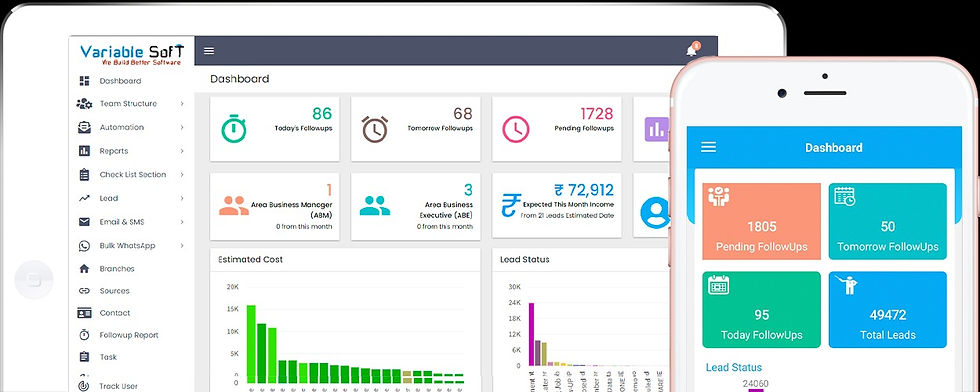
Repeated reminders and follow-ups drain time. CRM automation handles routine emails, alerts, and task assignments. Online stores automate post-purchase communication. Property managers automate rent reminders and service updates. This reduces human error. Energy shifts toward problem-solving instead of typing. Less stress. More focus. Workdays feel lighter even when volume increases unexpectedly.
Scalability Supports Long-Term Stability
Businesses grow or struggle. Systems should handle both calmly. CRM platforms scale with more users, data, and integrations without breaking flow. Online stores add channels. Property firms add units. Stability remains. Customers never feel disruption. That consistency supports brand reputation. Quiet strength matters. Tools should adapt, not demand constant replacement during expansion phases.
Conclusion
CRM systems support modern businesses facing high interaction volumes and expectations. Whether managing online buyers or property tenants, structured data and communication create stability and trust. vscrm.in reflects a focus on adaptable CRM solutions for diverse operational needs. Choosing the right platform today reduces future friction. Organised systems allow teams to respond confidently, grow responsibly, and maintain strong relationships even when demands rise and environments shift unexpectedly over time.
Comments